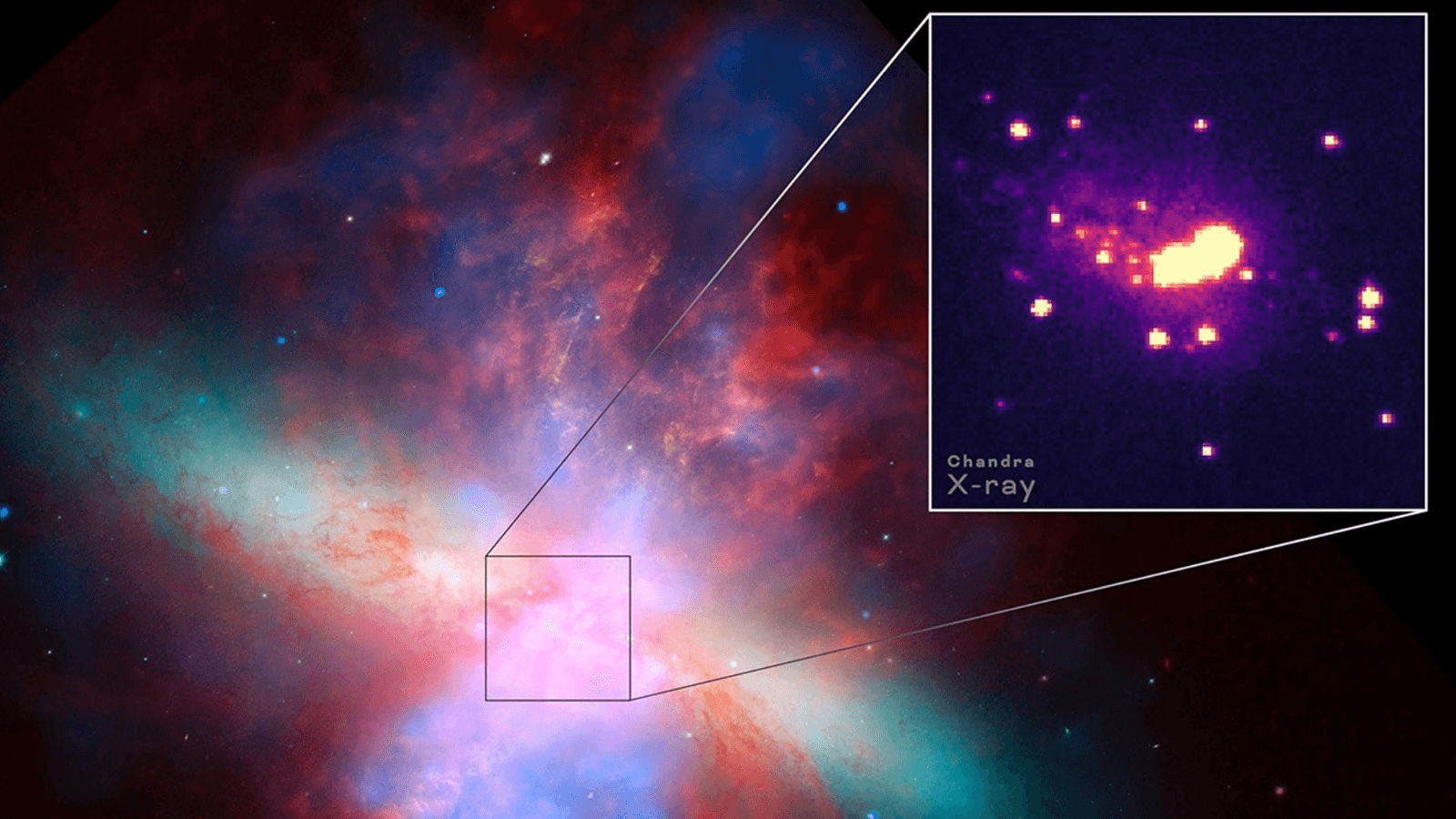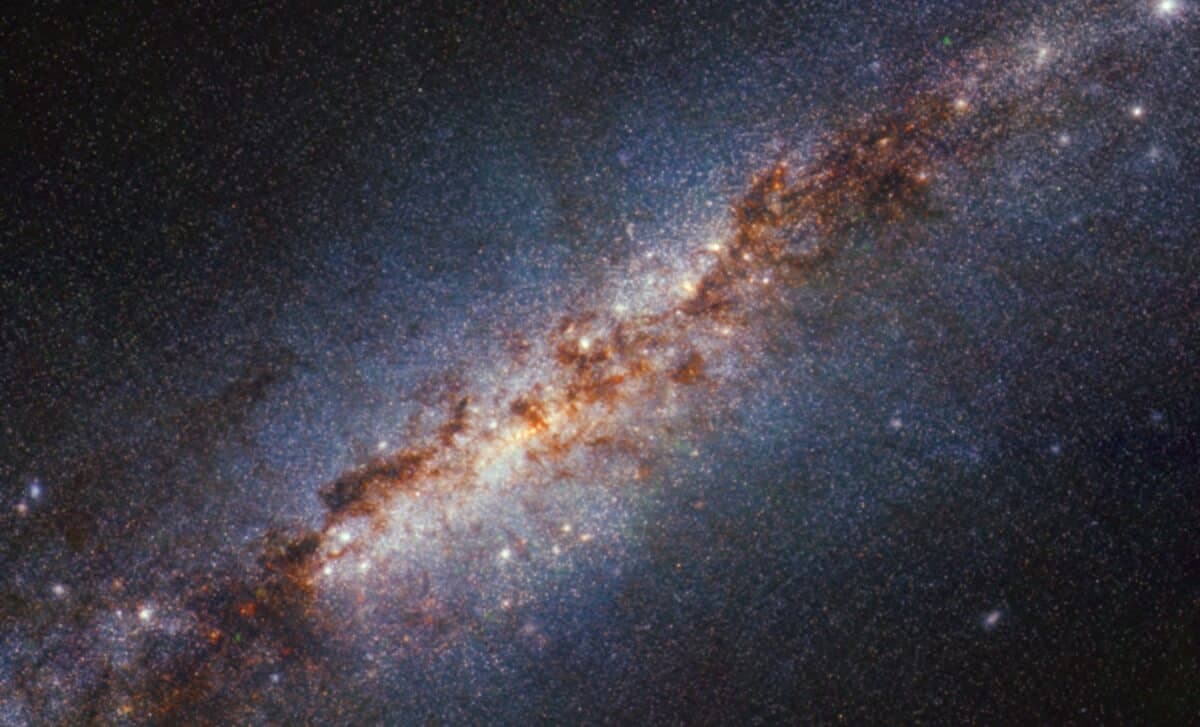
For the first time, astronomers have directly measured the speed of scorching gas erupting from the heart of M82, a galaxy forming stars ten times faster than the Milky Way. The wind is moving at more than 3 million kilometers per hour, fast enough, researchers say, to drive a massive, galaxy-scale outflow stretching tens of thousands of light-years into space.
How the XRISM Spacecraft Measured Galactic Wind Speed
The breakthrough measurement comes from the XRISM spacecraft, a joint mission led by JAXA in collaboration with NASA. The spacecraft's extraordinarily sensitive Resolve instrument captured X-ray emissions from superheated iron at M82's core, allowing scientists to calculate the wind velocity based on the Doppler effect. The degree of spectral broadening revealed a wind speed exceeding 2 million miles (over 3 million kilometers) per hour.
The gas temperature clocked in at around 45 million degrees Fahrenheit (25 million degrees Celsius), consistent with model predictions. That extreme heat generates enormous outward pressure, pushing gas from the dense, energetic core toward lower-pressure regions farther out, similar to how wind moves through Earth's atmosphere.
Implications for Understanding Galactic Evolution
Starburst galaxies like M82 burn through gas reserves at a furious pace, and the side effects, like violent winds and colossal outflows, can reshape not just the galaxy itself but potentially the space around it. Understanding the mechanics behind these winds is crucial for understanding how galaxies evolve, how star formation regulates itself, and what role these cosmic engines play in the broader universe.
The new data confirms that the hot inner wind is powerful enough, without any help from cosmic rays, to drive four solar masses of gas out of the galaxy every year, generating the cool, extended outflow that stretches 40,000 light-years from M82's core. However, the measurements also reveal a gap in accounting for the total gas output, with three solar masses of outward-moving gas unaccounted for.
Key Takeaways
- Astronomers directly measured galactic wind speed in M82 for the first time using the XRISM spacecraft.
- The wind is moving at over 3 million kilometers per hour, confirming that hot inner winds drive massive outflows.
- The findings sharpen the puzzle of galactic gas accounting, with a measurable gap remaining to be explained.
Frequently Asked Questions
Frequently Asked Questions
- How was the galactic wind speed measured?
- The XRISM spacecraft's Resolve instrument captured X-ray emissions from superheated iron at M82's core, allowing scientists to calculate the wind velocity based on the Doppler effect.
- What drives the massive outflows in starburst galaxies?
- The new data confirms that hot inner winds, without any help from cosmic rays, are powerful enough to drive the massive outflows observed in starburst galaxies like M82.
- What gap remains in the galactic gas accounting?
- While the hot wind can account for driving four solar masses of gas out of the galaxy each year, three solar masses of outward-moving gas remain unaccounted for, leaving a measurable gap to be explained by future research.