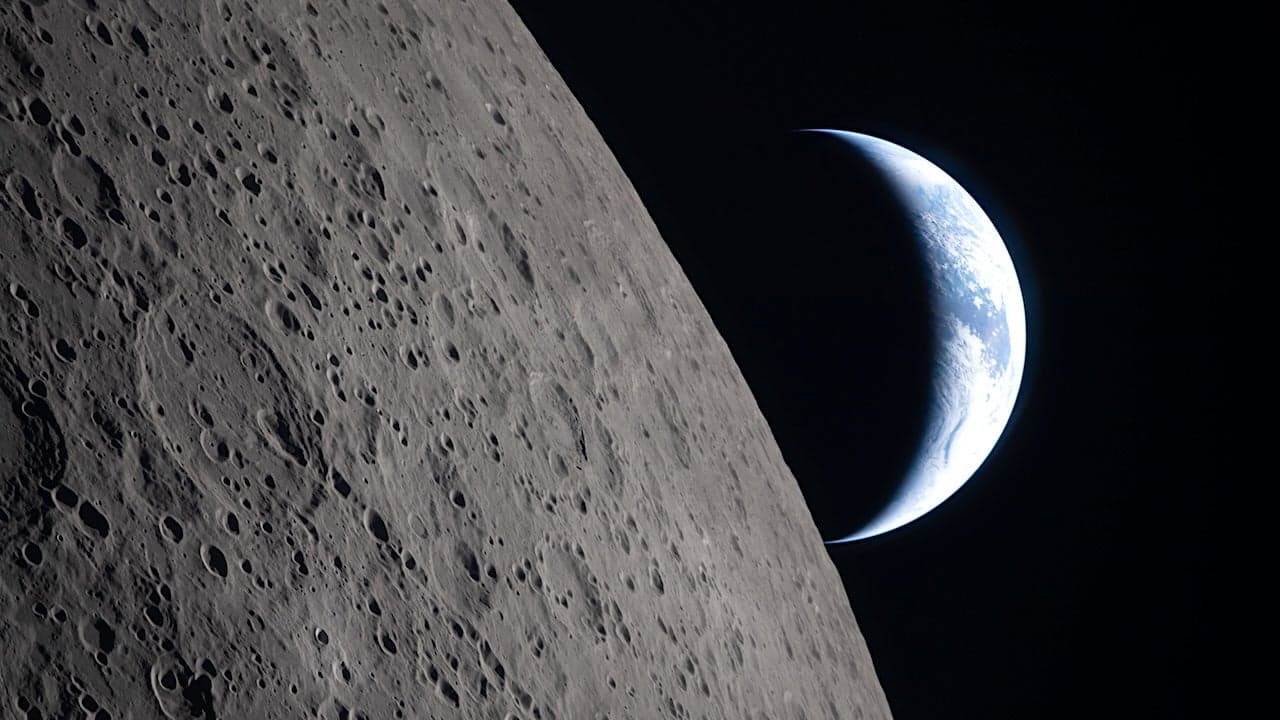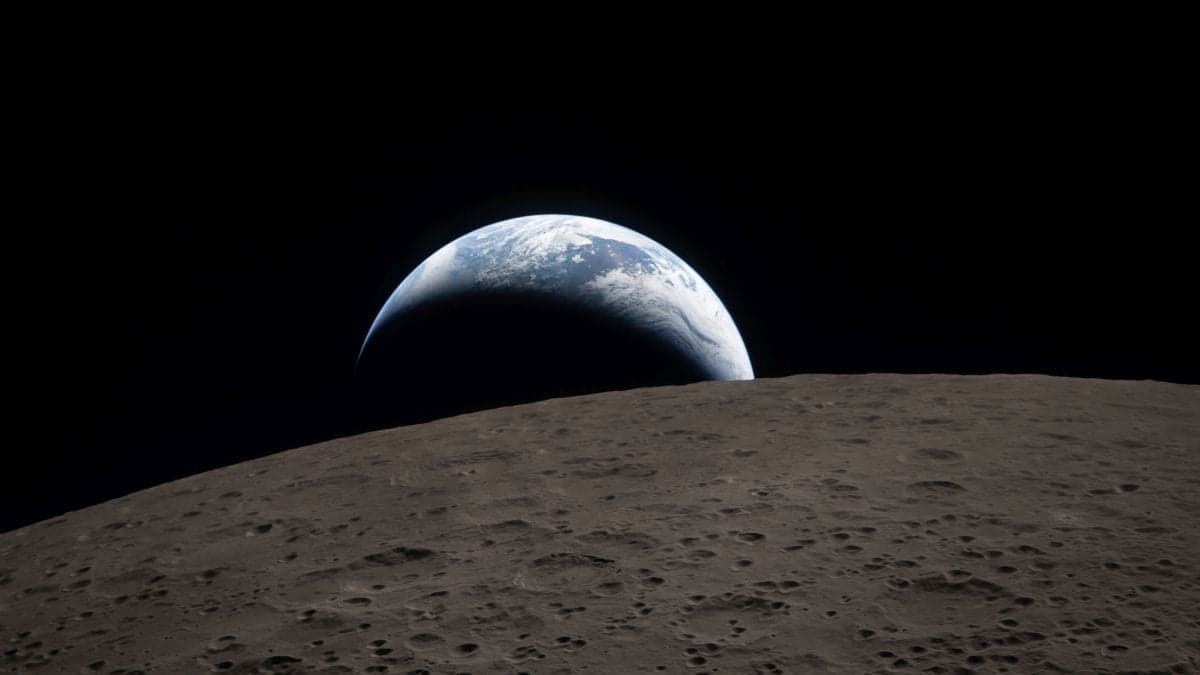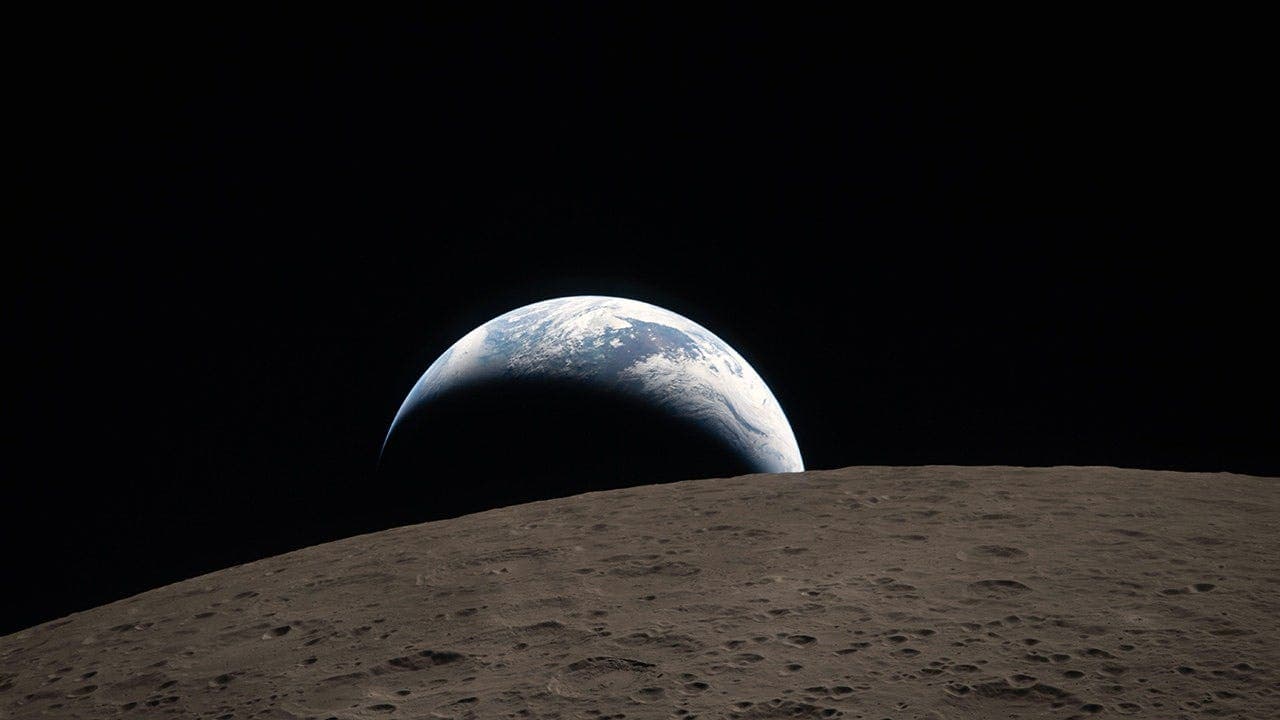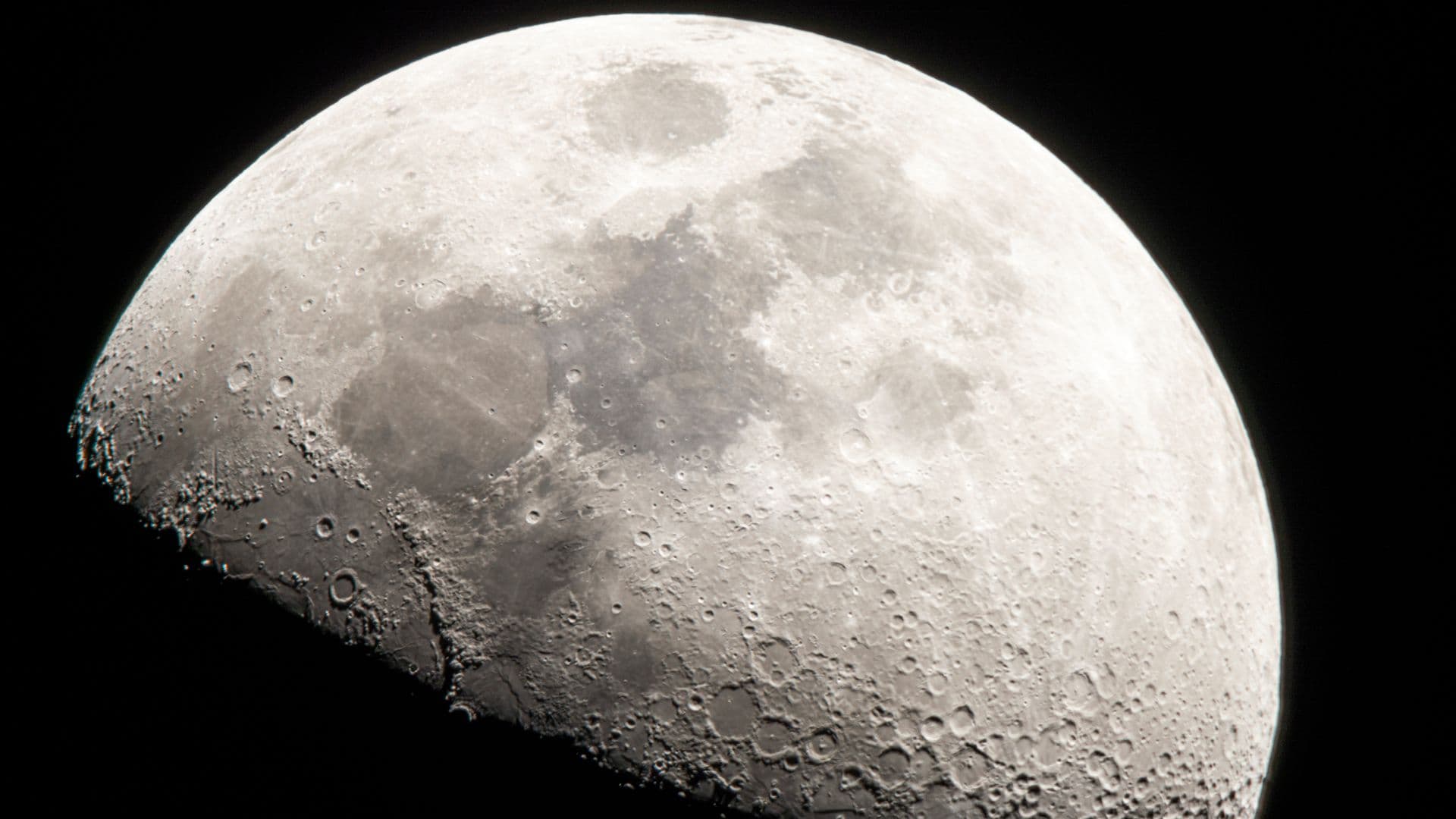
For millennia, humanity has gazed at the Moon not just as a distant light in the night sky but as a cosmic timekeeper, a divine symbol, and a scientific frontier. On November 16, 2024, NASA’s Artemis II mission launched four astronauts on a historic journey around the Moon—a first since Apollo 17 in 1972. This mission is more than a return to lunar orbit; it is a cultural and scientific inflection point, poised to redefine humanity’s relationship with Earth’s only natural satellite. Science writer Rebecca Boyle, author of the 2025 bestseller *Our Moon: How Earth’s Celestial Companion Transformed the Planet, Guided Evolution, and Made Us Who We Are*, argues that the Moon has shaped civilizations, guided evolution, and even influenced the story of life on Earth. As Artemis II prepares to circle the Moon in late 2025, Boyle and other experts say this mission could fundamentally alter how humanity perceives its place in the cosmos.
Why the Moon Has Always Been More Than Just a Rock in the Sky
The Moon is the most visible celestial object in Earth’s sky, second only to the Sun. Its predictable phases have governed agricultural cycles, religious rituals, and navigation for millennia. Ancient civilizations across every continent—from the Babylonians to the Maya—developed lunar calendars to track time, plan harvests, and mark sacred events. Even today, the Hebrew, Islamic, and Chinese lunar calendars remain in use, underscoring the Moon’s enduring role in human civilization. Rebecca Boyle notes that the earliest human relationship with the Moon was practical: "As far as I could find, and as far as there are records for, I think the oldest relationship we have with the moon is through timekeeping—so for serving this practical use of letting us know how much time has passed and, crucially, helping us plan for future time."
The Moon as a Divine and Cultural Icon
Beyond its utility, the Moon has been deified in nearly every culture. In ancient Egypt, the Moon god Thoth was associated with wisdom and writing. The Greek goddess Selene rode her silver chariot across the night sky, while in Hindu tradition, Chandra governed time and the lunar cycle. Boyle highlights that personified lunar deities are among the oldest religious figures known to archaeology. "A personification of the moon is one of the oldest religious figures on Earth in all cultures that we’ve tracked back in time," she explains. This spiritual significance persists today, seen in festivals like China’s Lunar New Year, which celebrates the Moon’s role in cultural identity.
The Scientific Leap: From Myth to Moon Rocks
The Moon’s scientific importance became undeniable in 1609 when Galileo Galilei first observed its craters through a telescope, shattering the notion of a perfect, unchanging celestial body. Centuries later, the Apollo missions of the 1960s and 1970s transformed the Moon from a mythological object into a tangible world. Apollo 11’s 1969 landing proved that humanity could leave Earth and walk on another world. Boyle describes this era as a turning point: "I think [Apollo] made it real for the first time in a way that’s hard for us to recognize now, 50-plus years on." The Apollo missions returned 842 pounds of lunar rocks and soil, revealing that the Moon’s composition closely resembles Earth’s mantle. This discovery supported the Giant Impact Hypothesis, which posits that the Moon formed from debris left over after a massive collision between Earth and a Mars-sized body called Theia around 4.5 billion years ago.
How Apollo Changed Our Understanding of Earth’s Twin World
Before Apollo, scientists debated whether the Moon was a primitive, unchanging body or a geologically active world. The lunar samples brought back by Apollo astronauts revealed a violent history of volcanic eruptions, asteroid impacts, and a magnetic field that once rivaled Earth’s. These findings have reshaped our understanding of planetary formation and the early solar system. Boyle emphasizes that the Moon is not just a passive bystander in Earth’s story but an active participant: "It tells us all these stories about the history of Earth. I think that’s an ongoing story." The data from Apollo also helped scientists confirm that the Moon is gradually moving away from Earth at a rate of about 1.5 inches per year, a phenomenon with long-term implications for Earth’s rotation and climate.
Artemis II: A Mission That Could Rewrite Lunar History
Scheduled for launch in late 2025, Artemis II will send four astronauts—NASA’s Reid Wiseman, Victor Glover, Christina Koch, and the Canadian Space Agency’s Jeremy Hansen—on a 10-day journey around the Moon. Unlike Apollo, which landed on the lunar surface, Artemis II will orbit the Moon before returning to Earth, testing the Orion spacecraft’s systems for future crewed landings. This mission is a critical step toward Artemis III, which aims to land the first woman and the next man on the lunar south pole by 2026. Boyle sees Artemis II as a pivotal moment for public consciousness: "It’s sort of this generation’s moment to understand in a new way the connection between the moon and this planet and sort of reframe its importance to human history."
The Unique Role of Earth’s Moon
The Moon is exceptional in the solar system. At about one-quarter the size of Earth, it is the largest moon relative to its planet among all known moons in our solar system. This unusual size ratio stabilizes Earth’s axial tilt, preventing extreme climate shifts that could have made complex life impossible. Boyle explains, "It’s the only moon like it that we’ve ever found. It’s a huge object, [and] it’s really far away. And that combination of facts plays a really important role in the climate of Earth, the geologic history of Earth, and the history of life." Without the Moon, Earth’s rotation would be far more erratic, leading to chaotic weather patterns and shorter days. The Moon’s gravitational pull also drives the tides, which have influenced the evolution of coastal ecosystems and even the migration patterns of early humans.
A Gateway to the Solar System
Artemis II is not just a nostalgic return to the Moon; it is a stepping stone for deeper space exploration. NASA plans to use the lunar surface as a testing ground for technologies needed for Mars missions, including habitats, life support systems, and in-situ resource utilization. The Artemis program also aims to establish a sustainable human presence on the Moon by the end of the decade, including the Lunar Gateway, a small space station orbiting the Moon. Boyle notes that this shift in perspective is crucial: "I don’t think people think of [the Moon] as a companion world… and I think Artemis is a chance for people to reframe that relationship."
The Cultural and Ethical Implications of Returning to the Moon
The Apollo era captured the world’s imagination, but modern missions like Artemis are happening in a vastly different cultural and political landscape. Boyle reflects on the public’s relationship with space exploration: "One thing that’s been on my mind a lot this week is that we take space for granted, [and] we take NASA for granted." Unlike the Cold War-era Space Race, Artemis is a collaborative effort involving international partners like the European Space Agency, Japan, and Canada. This global cooperation reflects a shift toward viewing space as a shared human endeavor rather than a competition. Boyle hopes the mission will inspire renewed appreciation for the scientific and cultural significance of lunar exploration: "I hope this is like a wake-up call—these missions that all of a sudden crop up in the national consciousness have actually been building for years and decades."
Key Takeaways: What Artemis II Means for Humanity
- NASA’s Artemis II mission, launching in late 2025, will send four astronauts on a historic flight around the Moon, marking the first crewed lunar orbit since 1972.
- The Moon has shaped human civilization through timekeeping, religion, and science, with ancient lunar calendars still in use today.
- Apollo missions revealed the Moon’s geological history and its critical role in stabilizing Earth’s climate and axial tilt, making complex life possible.
- Artemis II is not just a repeat of Apollo but a stepping stone for sustainable lunar exploration and future Mars missions.
- The mission highlights the need for renewed public appreciation of space exploration, which Boyle describes as a long-term endeavor requiring decades of dedication.
The Future: Beyond Artemis to a Lunar Economy and Mars
Artemis II is only the beginning. NASA’s long-term goals include establishing a permanent lunar base by the end of the decade, mining lunar water ice for fuel, and using the Moon as a launchpad for deeper space missions. Private companies like SpaceX and Blue Origin are also investing in lunar infrastructure, with SpaceX’s Starship expected to play a key role in Artemis III’s landing. The economic potential of the Moon is vast, from helium-3 mining (a potential fuel for future fusion reactors) to tourism. Boyle cautions, however, that the Moon must be treated with care: "Whatever reasons people have for paying attention to Artemis, I hope that they’re realizing at the same time what it takes to do this." The Moon is not just a resource to exploit but a world with its own scientific and cultural value.
Frequently Asked Questions About Artemis II and the Moon
Frequently Asked Questions
- What is the Artemis II mission and why is it important?
- Artemis II is NASA’s first crewed mission to the Moon since 1972, sending four astronauts on a 10-day journey around the lunar orbit. It is a critical test for the Orion spacecraft and a stepping stone for future lunar landings and Mars missions.
- How has humanity’s view of the Moon changed over time?
- Initially seen as a timekeeping tool and deity, the Moon became a scientific object of study after the invention of the telescope. The Apollo missions revealed its geological history, proving it is an active participant in Earth’s story, not just a passive satellite.
- What are the long-term goals of the Artemis program?
- NASA aims to establish a sustainable human presence on the Moon by the end of the decade, including a lunar base and the Lunar Gateway space station. These efforts will serve as a testing ground for technologies needed for Mars missions and beyond.