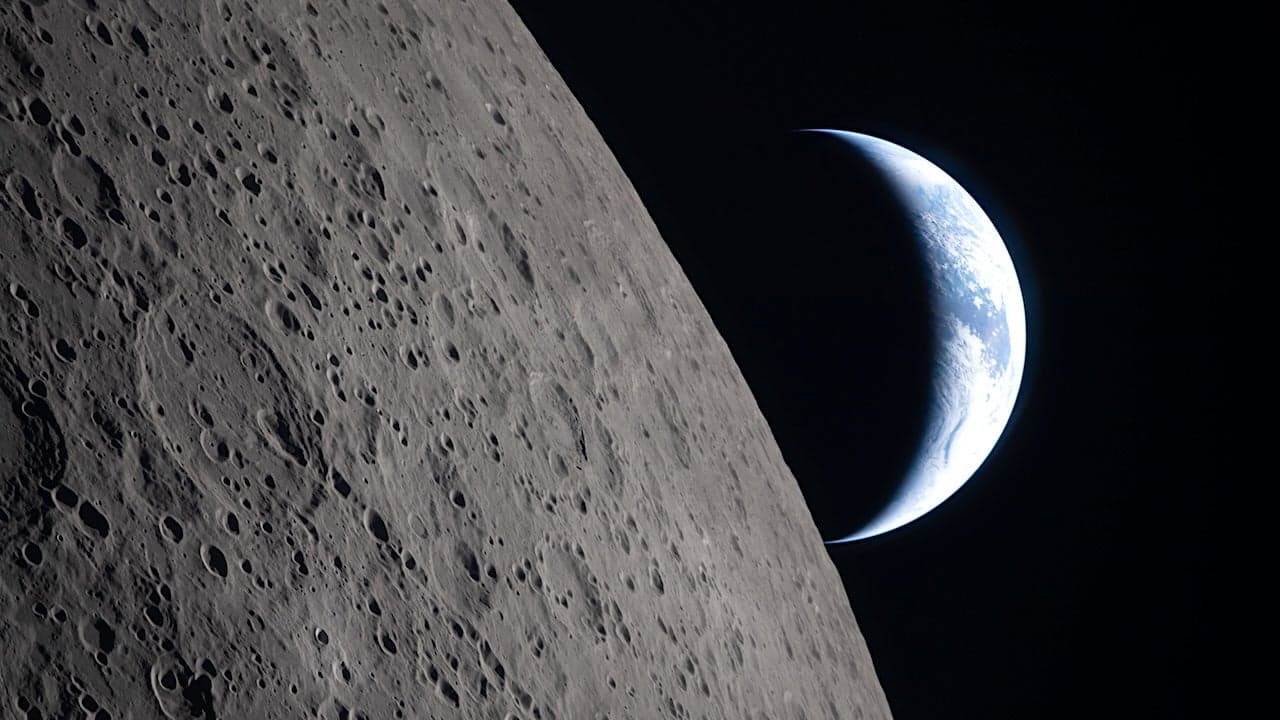
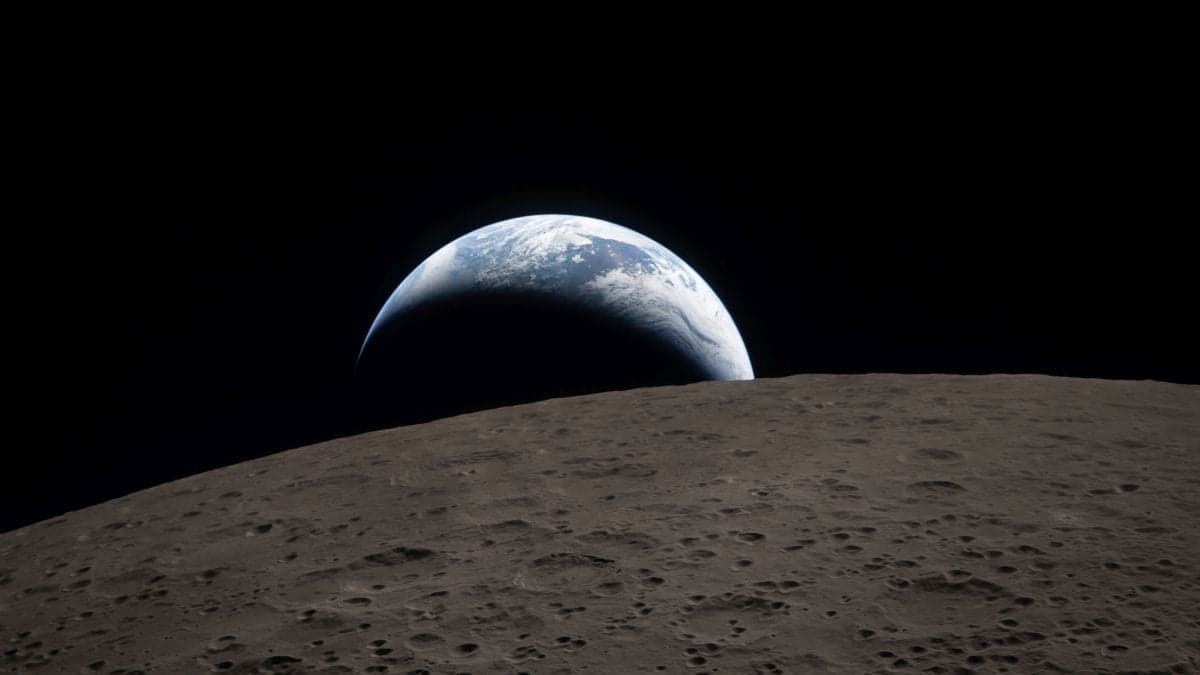
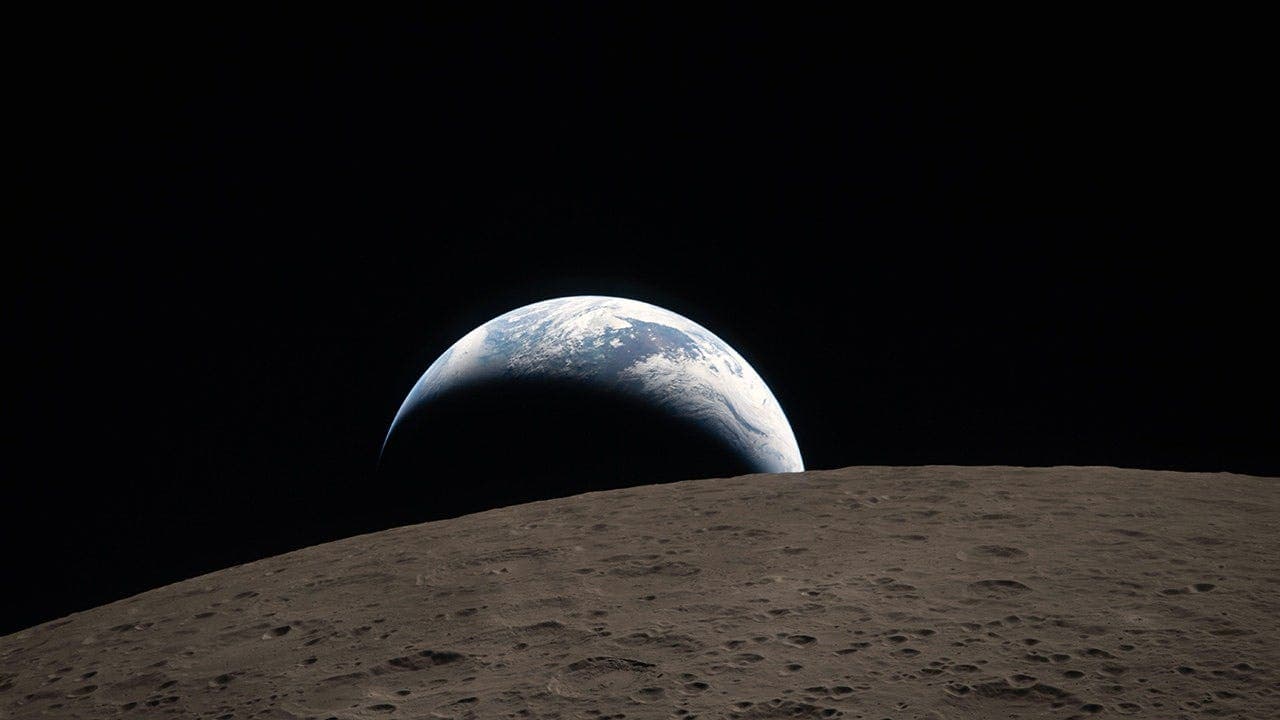
On Friday morning, the four astronauts aboard NASA’s Artemis II mission were 100,000 miles (160,000 kilometers) from Earth, rapidly closing the gap to the moon as they prepared for a groundbreaking lunar flyby. The crew, aboard the Orion spacecraft, has released the first stunning photographs of Earth from deep space—images that capture the planet’s glowing auroras and swirling cloud formations against the void of the cosmos. These visuals, shared by mission commander Reid Wiseman, mark a pivotal moment in NASA’s ambitious Artemis program, which aims to return humans to the lunar surface and establish a sustainable presence for future deep-space exploration.
Key Takeaways: What You Need to Know About Artemis II’s Historic Mission
- NASA’s Artemis II mission launched on November 16, 2022, as the first crewed flight of the Orion spacecraft and Space Launch System (SLS) rocket, paving the way for future lunar landings.
- The crew—comprising NASA astronauts Reid Wiseman, Christina Koch, Victor Glover, and Canadian Space Agency astronaut Jeremy Hansen—is on a 10-day journey to perform a lunar flyby, the farthest humans have traveled since the Apollo era.
- First images from the Orion capsule reveal Earth as a vibrant, illuminated orb with visible auroras and cloud patterns, offering a poignant perspective of our planet from deep space.
- The mission’s lunar flyby on Monday will bring the spacecraft within 4,000–6,000 miles (6,450–9,650 km) of the moon’s surface before looping back to Earth, with splashdown scheduled for April 11 in the Pacific Ocean.
- Artemis II is not just a technical milestone but a symbolic reaffirmation of international collaboration in space exploration, with Canada as a key partner in this historic endeavor.
The Journey So Far: From Launch to Deep-Space Photography
Launched atop NASA’s colossal Space Launch System (SLS) rocket from Kennedy Space Center in Florida on November 16, 2022, Artemis II represents the first crewed mission of the agency’s Artemis program. Unlike its predecessor, Artemis I, which was an uncrewed test flight, Artemis II carries a four-person crew on a trajectory that will take them farther from Earth than any human has traveled in over half a century.
A Crew United by Purpose and Diversity
Commander Reid Wiseman, a veteran NASA astronaut and former Chief of the Astronaut Office, leads the mission with a blend of technical expertise and leadership. Joining him is mission specialist Christina Koch, a record-setting astronaut who holds the title of the first woman to journey around the moon. Koch, who previously spent 328 days aboard the International Space Station (ISS), brings invaluable experience in long-duration spaceflight. Pilot Victor Glover, the first Black astronaut to travel beyond low-Earth orbit, adds operational depth, having logged 168 days in space during his ISS expeditions. Rounding out the crew is Jeremy Hansen, a Canadian Space Agency (CSA) astronaut making his first spaceflight, symbolizing the mission’s international collaboration.
The crew’s diversity is not merely symbolic; it reflects NASA’s commitment to inclusivity and the Artemis program’s broader goal of leveraging global talent in space exploration. As Glover remarked in a recent interview, seeing Earth from deep space reinforces the idea that humanity is a single, interconnected species: “From up here, you look like one thing. Homo sapiens is all of us—no matter where you’re from or what you look like. We’re all one people.”
Capturing Earth’s Splendor from the Orion Capsule
On Friday, Wiseman shared the first images from inside the Orion capsule, showcasing Earth bathed in sunlight with a visible green aurora shimmering near the planet’s limb. Another image captures the entire globe, with the oceans and swirling cloud formations providing a stark contrast to the blackness of space. These photographs are not just aesthetic triumphs; they serve as a reminder of Earth’s fragility and the isolation of deep space.
“I knew that is what we would see,” Koch told ABC News in a video call from the spacecraft. “But there’s nothing that prepares you for the breathtaking aspect of seeing your home planet both lit up bright as day and also the moon glow on it at night with a beautiful beam of the sunset and knowing that we’re going to get similar views of the moon. I’m really excited for that.”
The images were taken as the spacecraft approached the halfway point of its 10-day mission, with the crew now in the midst of preparations for the lunar flyby. Engineers on Earth are monitoring the Orion’s systems, ensuring that the spacecraft remains on course for its closest approach to the moon on Monday.
The Science and Symbolism Behind the Lunar Flyby
On the sixth day of the mission, the Orion spacecraft will perform a lunar flyby, passing within 4,000–6,000 miles (6,450–9,650 km) of the moon’s surface. This maneuver will utilize the moon’s gravity to slingshot the spacecraft back toward Earth, a critical phase of the mission that tests Orion’s navigation and propulsion systems. For the astronauts, this moment is both a scientific opportunity and a deeply personal experience.
A First for Humanity in Over 50 Years
The last time humans traveled this far into deep space was during NASA’s Apollo 17 mission in 1972. Artemis II’s lunar flyby will take the crew to the far side of the moon, a region that has remained unexplored by humans since the Apollo era. As Koch noted, the mission is not just about technical achievement but also about the emotional impact of seeing Earth from such a distance.
Rehearsing for the Unknown
Before the flyby, the crew has been conducting rehearsals for the scientific observations they plan to carry out during the lunar passage. These include capturing high-resolution images of the moon’s surface, studying the effects of deep-space radiation on the spacecraft, and testing communication systems that will be critical for future Artemis landings. The data collected during this phase will inform NASA’s plans for Artemis III, which aims to land the first woman and the next man on the lunar surface by 2025.
The Road Ahead: Splashdown and Beyond
After the lunar flyby, the Orion spacecraft will embark on its return journey to Earth, culminating in a splashdown in the Pacific Ocean off the coast of San Diego on April 11 at approximately 00:06 GMT (8:06 p.m. ET on April 10). This phase of the mission will test Orion’s heat shield and parachutes, critical components for ensuring the crew’s safe return.
A Mission with Global Implications
Artemis II is more than a test flight; it is a statement of intent for NASA and its international partners. The mission’s success will validate the Orion spacecraft and SLS rocket for future crewed missions, including Artemis III, which will attempt the first lunar landing since Apollo 17. Additionally, the inclusion of Jeremy Hansen represents Canada’s growing role in space exploration, as the CSA contributes to the Lunar Gateway, a planned space station orbiting the moon that will serve as a staging point for future missions.
The Emotional Weight of Seeing Earth from Deep Space
For the astronauts, the journey is as much about introspection as it is about exploration. Glover, reflecting on the mission’s significance, emphasized the unifying power of spaceflight: “We call amazing things that humans do ‘moonshots’ for a reason. This mission brought us together and showed us what we can do when we bring our differences together and use all the strengths to accomplish something great.” His words echo the sentiment shared by many astronauts who have gazed upon Earth from the void of space—a perspective that often evokes a profound sense of unity and responsibility.
Why Artemis II Matters for the Future of Space Exploration
The Artemis program is NASA’s boldest initiative since the Apollo era, designed to establish a sustainable human presence on the moon and serve as a stepping stone for eventual crewed missions to Mars. Artemis II’s success will demonstrate the viability of the Orion spacecraft and SLS rocket for long-duration deep-space missions, paving the way for Artemis III’s lunar landing. Beyond its technical objectives, the mission underscores the importance of international collaboration, as partners like Canada, the European Space Agency (ESA), and Japan’s JAXA contribute to the program’s success.
A Stepping Stone to Mars
NASA’s long-term goals extend beyond the moon. The lessons learned from Artemis II—particularly in life support, radiation shielding, and in-space propulsion—will be critical for planning crewed missions to Mars, which could take place in the 2030s. The lunar flyby also serves as a rehearsal for the complex maneuvers required for a Mars landing, including gravity assists and high-speed re-entries into Earth’s atmosphere.
The Role of Commercial Partnerships
NASA’s Artemis program relies heavily on commercial partnerships, with companies like SpaceX and Blue Origin developing lunar landers and other critical technologies. The success of Artemis II will validate these partnerships and demonstrate the feasibility of a sustainable, commercially driven space economy. This approach aligns with NASA’s broader strategy of fostering innovation in the private sector while reducing costs for taxpayers.
The Human Experience: Astronauts Reflect on the Mission’s Significance
“Trust us, you look amazing. You look beautiful,” Glover told ABC News, describing the view of Earth from the Orion capsule. “From up here, you look like one thing. Homo sapiens is all of us—no matter where you’re from or what you look like. We’re all one people.”
For Koch, the mission is a culmination of a lifelong dream. As the first woman to journey around the moon, she represents the next generation of explorers who will push the boundaries of human achievement. “There’s nothing that prepares you for the breathtaking aspect of seeing your home planet,” she said, underscoring the emotional impact of the mission.
Frequently Asked Questions About NASA’s Artemis II Mission
Frequently Asked Questions
- What is the Artemis II mission and why is it important?
- Artemis II is NASA’s first crewed mission to the moon since 1972, designed to test the Orion spacecraft and Space Launch System (SLS) rocket for future lunar landings. It is a critical step toward achieving NASA’s goal of establishing a sustainable human presence on the moon and paving the way for crewed missions to Mars.
- How far from Earth is the Artemis II crew now?
- As of Friday morning, the Artemis II crew was approximately 100,000 miles (160,000 kilometers) from Earth, rapidly closing the gap to the moon as they prepare for their lunar flyby on Monday. They have traveled about 60% of the distance to the moon.
- What will the astronauts do during the lunar flyby?
- During the lunar flyby, the crew will pass within 4,000–6,000 miles (6,450–9,650 km) of the moon’s surface, using its gravity to slingshot back toward Earth. They will also conduct scientific observations, capture images of the moon, and test communication systems critical for future Artemis missions.