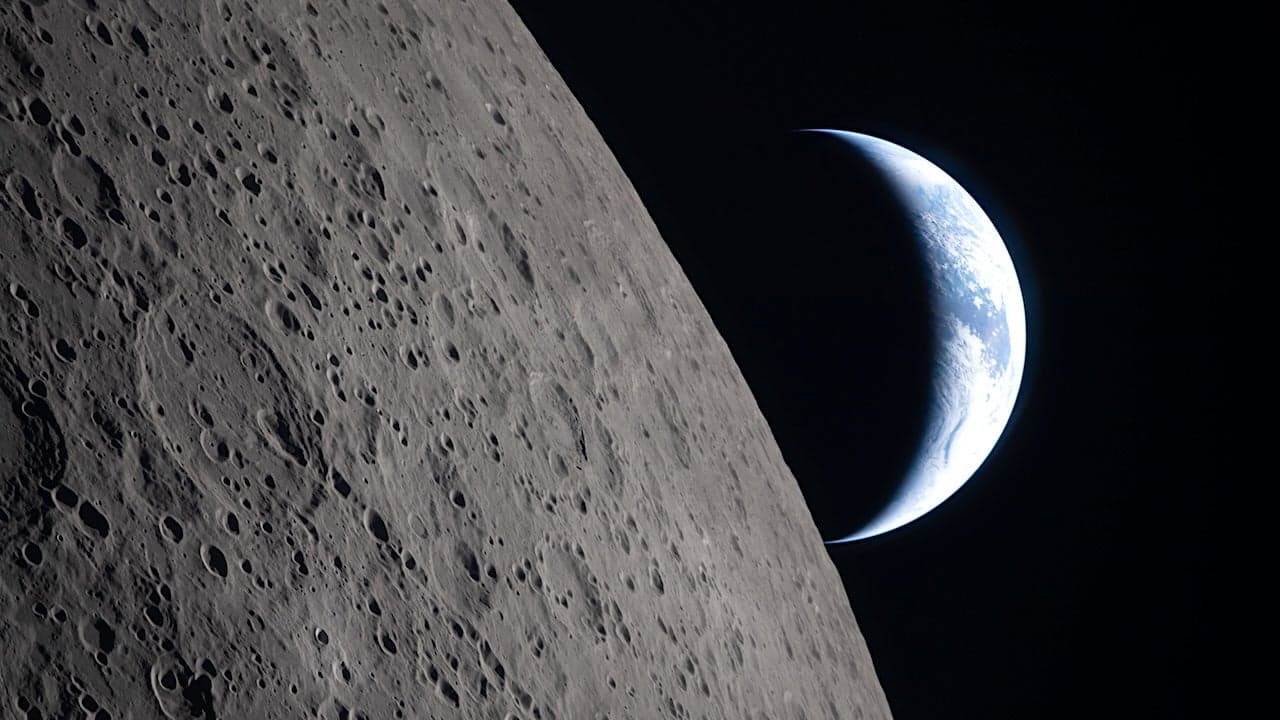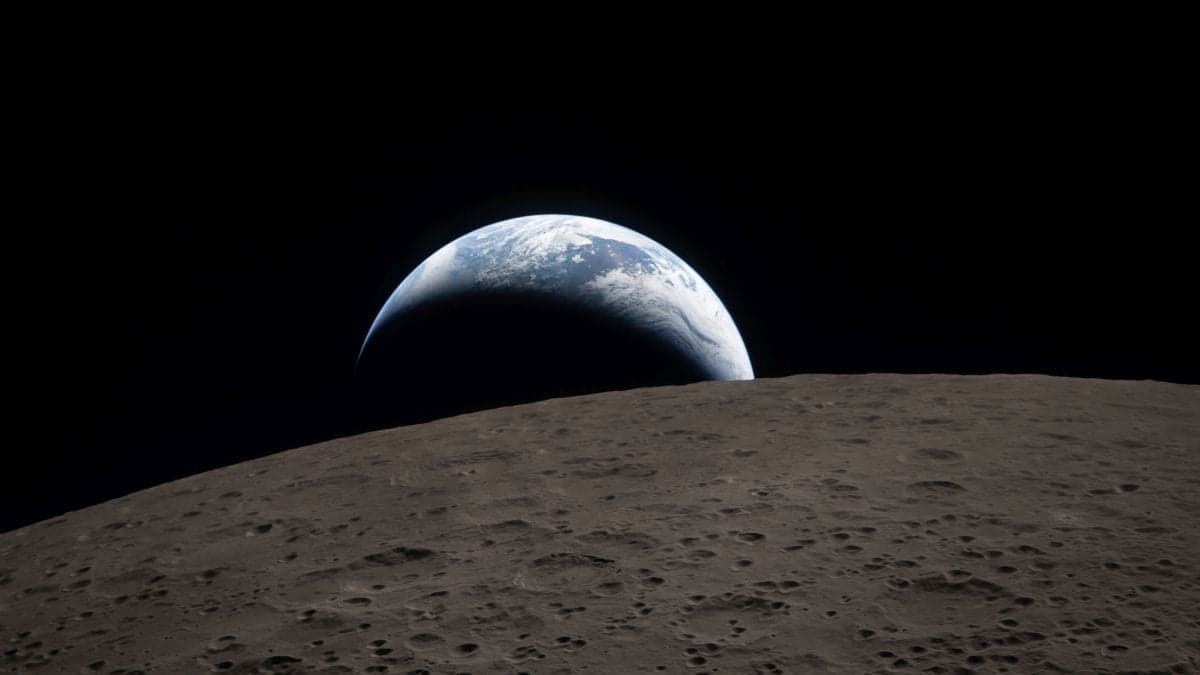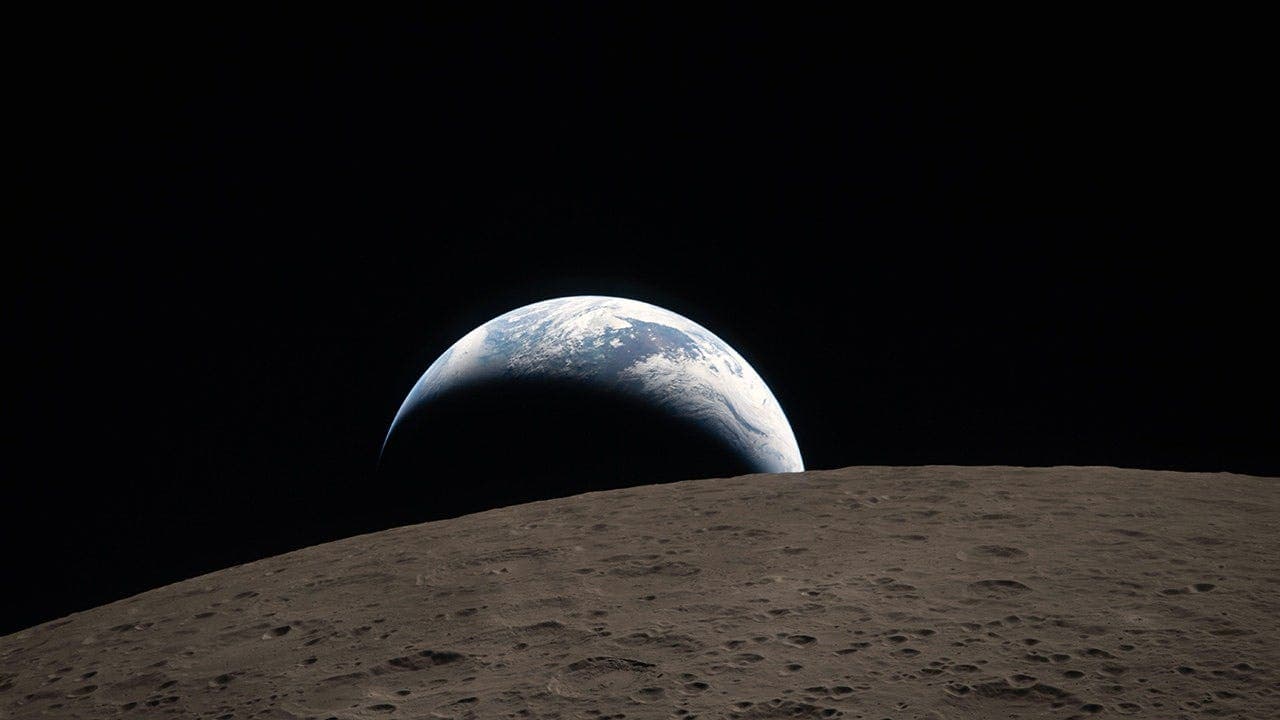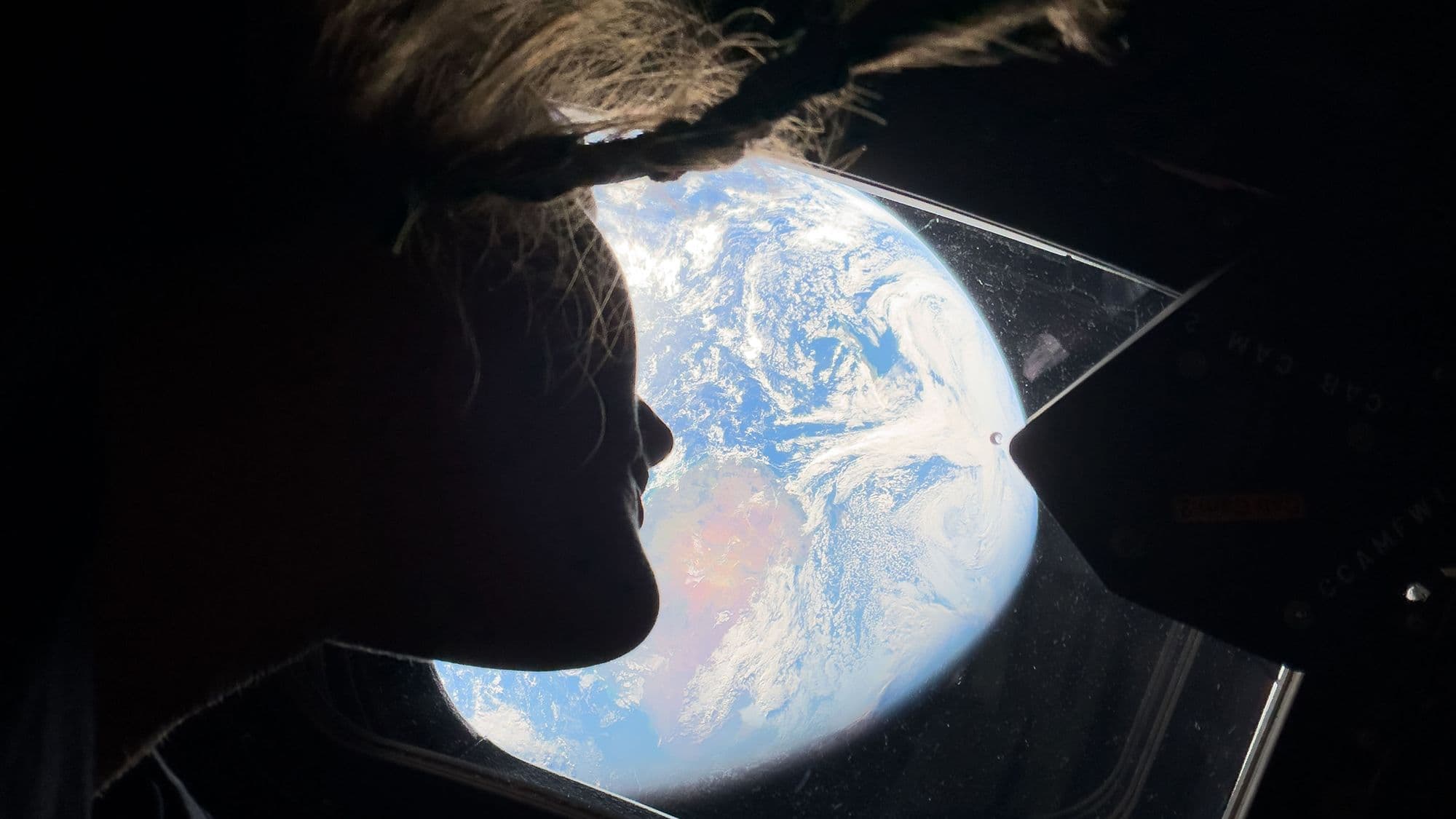
In a historic blend of consumer technology and deep-space exploration, NASA’s Artemis II astronauts are sharing jaw-dropping photographs of Earth and the Moon—captured using Apple’s iPhone 17 Pro Max. The images, released by the space agency and the four-person crew, offer humanity’s most distant glimpse of home since the Apollo era as the Orion spacecraft races toward its lunar flyby. With the mission now more than halfway complete, the crew has traveled over 252,757 miles (406,773 kilometers) from Earth—farther than any humans before them—and is preparing for a record-breaking reentry into Earth’s atmosphere at speeds approaching 25,000 miles per hour.
- Artemis II astronauts are using iPhone 17 Pro Max cameras to photograph Earth and the Moon from deep space, marking the first time Apple devices have been used for official imagery on a crewed lunar mission.
- The Orion spacecraft has reached a maximum distance of 252,757 miles (406,773 km) from Earth—the farthest any humans have ever traveled—far surpassing the Apollo 13 record of 248,655 miles.
- The 10-day mission includes a high-speed, precision-guided reentry at 25,000 mph (40,234 km/h), which will be the fastest crewed reentry in history.
- NASA is leveraging laser communication technology aboard Orion to maintain high-bandwidth data links, enabling live and near-real-time image sharing from space.
- The crew’s social media posts and NASA’s official releases highlight emotional reactions to Earth’s receding view, with Commander Reid Wiseman captioning one image simply: “There are no words.”
How Consumer Tech Meets Deep Space: iPhone 17 Pro Max Takes Center Stage on Artemis II
In an unprecedented move, NASA has integrated the iPhone 17 Pro Max—Apple’s latest flagship smartphone—into its Artemis II mission operations. The device, which earned a 4.5-star rating in TechRadar’s review for its advanced camera system and low-light performance, is now serving as the primary imaging tool for the crew. Astronaut Christina Koch and Commander Reid Wiseman have used the phone’s selfie and rear cameras to document their journey, including stunning views of Earth as a pale blue dot receding behind them and the Moon’s Orientale basin in full view for the first time seen by human eyes.
Why NASA Chose the iPhone 17 Pro Max
According to NASA officials, the selection of the iPhone 17 Pro Max was driven by several factors: its robust build to withstand vibration and thermal fluctuations, certified radiation tolerance in consumer-grade electronics, and compatibility with NASA’s existing imaging protocols. The device’s A17 Pro chip and improved sensor array allow for high-resolution stills and 4K video even in the challenging lighting conditions of deep space. NASA has also developed custom mounts and protective enclosures to integrate the phones with Orion’s interior systems without compromising safety or functionality.
Journey to the Moon and Beyond: The Artemis II Mission Timeline
Launched from Kennedy Space Center on April 1, 2026, Artemis II is the first crewed mission of NASA’s Artemis program and a critical step toward returning humans to the lunar surface. The 10-day mission is designed to test Orion’s life support, navigation, and communication systems in deep space before the planned Artemis III lunar landing. After reaching a distance of 252,757 miles from Earth—beating the Apollo 13 record by nearly 4,100 miles—the spacecraft will perform a lunar flyby, coming within approximately 6,800 miles of the Moon’s surface before slingshotting back toward Earth.
Key Milestones Completed So Far
- Day 1 (April 1, 2026): Launch from Launch Complex 39B at Kennedy Space Center aboard the Space Launch System (SLS) rocket.
- Day 2: Orion entered Earth orbit, performed system checks, and executed a trans-lunar injection burn to set course for the Moon.
- Day 3: The crew conducted a live downlink from orbit, demonstrating Orion’s new laser communication system—a first for crewed missions.
- Day 4 (April 4, 2026): First major photo release, including the iconic “There are no words” image of Earth from deep space, captured with the iPhone 17 Pro Max.
- Day 5: Orion reached its maximum distance from Earth, entering a unique distant retrograde orbit around the Moon.
The Emotional and Scientific Significance of the Mission
Beyond its technological achievements, Artemis II carries profound human and scientific meaning. For the first time in over 50 years, humans are venturing beyond low Earth orbit—and doing so with modern tools that connect the public in real time. The images shared by astronaut Christina Koch, Commander Reid Wiseman, and mission specialists Victor Glover and Jeremy Hansen are not just scientific data; they are cultural artifacts that remind humanity of our place in the cosmos. NASA Administrator Bill Nelson has described the mission as a ‘bridge between the past and the future,’ linking the Apollo era to a sustainable lunar presence under Artemis.
A New Era of Space Photography
The use of consumer smartphones in space is a deliberate strategy to demystify space exploration and inspire global engagement. NASA’s social media team has curated the astronauts’ iPhone photos into high-resolution galleries, including the first full-view image of the Moon’s Orientale basin—a massive impact crater on the lunar far side. This basin, nearly 600 miles wide, had never been fully imaged by astronauts before. The clarity of the photos, enabled by the iPhone 17 Pro Max’s 48MP sensor and computational photography, offers unprecedented detail of lunar topography and Earth’s crescent.
“This view just hits different. @Astro_Christina and @astro_reid take a moment to look back at Earth as they continue deep into space toward the Moon.” — NASA’s official post on X (formerly Twitter), April 4, 2026
Technology at the Heart: Orion’s Systems and the Role of Laser Communication
At the core of Artemis II’s success is the Orion spacecraft, equipped with advanced life support, radiation shielding, and the Deep Space Network’s laser communication terminal. Unlike traditional radio-based systems, laser comms allow for data rates up to 20 Mbps—enabling live 4K video streams and rapid transmission of high-resolution images, including those taken with the iPhone 17 Pro Max. This technology is critical for future Mars missions, where real-time communication will be impossible due to the vast distances involved.
Meet the Crew: America, Canada, and the World’s Shared Dream
Commander Reid Wiseman, 50, a former U.S. Navy test pilot and NASA astronaut with two prior spaceflights, leads the mission. He is joined by Pilot Victor Glover, 45, the first Black astronaut to fly on a lunar mission, and Mission Specialists Christina Koch, 47, who holds the record for the longest single spaceflight by a woman (328 days), and Jeremy Hansen, 44, a Canadian Space Agency astronaut making his first spaceflight. Their diversity reflects NASA’s commitment to inclusivity and international collaboration under the Artemis Accords.
What’s Next: Return to Earth and the Path Forward
After completing its lunar flyby, Orion will begin its return journey on April 9, 2026. The spacecraft is expected to reenter Earth’s atmosphere at a record speed of 25,000 mph (40,234 km/h), generating temperatures up to 5,000°F (2,760°C) on its heat shield. The targeted splashdown in the Pacific Ocean off the coast of San Diego will be broadcast live, concluding a mission that redefines the boundaries of human spaceflight. Following Artemis II, NASA plans to land the first woman and the next man on the Moon with Artemis III, currently slated for 2028.
Why This Mission Matters for the Future of Space Exploration
Artemis II is more than a lunar flyby—it is a strategic inflection point in NASA’s long-term goals. By testing crewed systems beyond Earth orbit, validating new communication technologies, and using off-the-shelf consumer tech in space, NASA is lowering costs and increasing accessibility. The mission also strengthens international partnerships, with Canada contributing the robotic Canadarm3 for future Gateway lunar station operations. As the world watches the Artemis II crew share their journey through iPhone photos and live streams, the mission is fostering a new generation of scientists, engineers, and dreamers—proving that space exploration is not just for governments, but for all of humanity.
Frequently Asked Questions
Frequently Asked Questions
- Can the iPhone 17 Pro Max survive the radiation and extreme temperatures of space?
- Yes. While consumer devices aren’t space-rated, the iPhone 17 Pro Max underwent extensive testing for vibration, thermal cycling, and radiation exposure. NASA equipped it with protective enclosures and integrated it into Orion’s data systems to ensure safe operation. The device’s A17 Pro chip includes radiation-hardened elements, and NASA confirmed all photos were taken within safe operational limits.
- How fast is Orion traveling during the lunar flyby, and how close will it get to the Moon?
- During the lunar flyby phase, Orion will reach speeds of approximately 24,500 mph (39,400 km/h). It will pass within about 6,800 miles (11,000 km) of the Moon’s surface—farther than Apollo missions but close enough to use lunar gravity for the return trajectory. This trajectory ensures a safe return without requiring a major braking burn.
- What is NASA’s laser communication system, and how does it improve the mission?
- NASA’s Orion Artemis II Optical Communications System (O2O) uses infrared lasers to transmit data to Earth at up to 20 Mbps—far faster than traditional radio systems. This enables live 4K video, rapid image sharing (like the iPhone photos), and more efficient science data downlink. It’s a critical step toward future Mars missions where real-time communication isn't possible.