Wrapping up Wednesday's coverage of the war with Iran
We are closing our Wednesday blog covering the US-Israel war with Iran.
We'll bring you more on the conflict and its impact on the wider Middle East and the world in our Thursday updates.
Thousands of seafarers stuck around Strait of Hormuz
There's been a lot of attention on people stranded at airports in the Middle East.
But thousands of crew members are also stuck on merchant ships in the region.
Around 20,000 seafarers are trapped because of events in the Straight of Hormuz, the head of the UN's International Maritime Organization told the BBC late on Wednesday.
The strategic waterway is the only way out of the Persian Gulf. It passes between Iran and Oman, and, at its narrowest, is just 39 kilometers (24 miles) wide.
Tanker traffic through the Strait of Hormuz has fallen by around 90% compared to prewar levels, shipping tracker MarineTraffic.com said Wednesday.
Greece's main seafarers' union has called a 24-hour strike on Thursday. It's demanding the immediate repatriation of Greek crew members stuck in the Persian Gulf.
Earlier this week, major marine insurers also started pulling war insurance cover for ships transiting the Persian Gulf and the Gulf of Oman.
Many of these cancellation notices take effect on Thursday, March 5.
Ships under fire in Strait of Hormuz
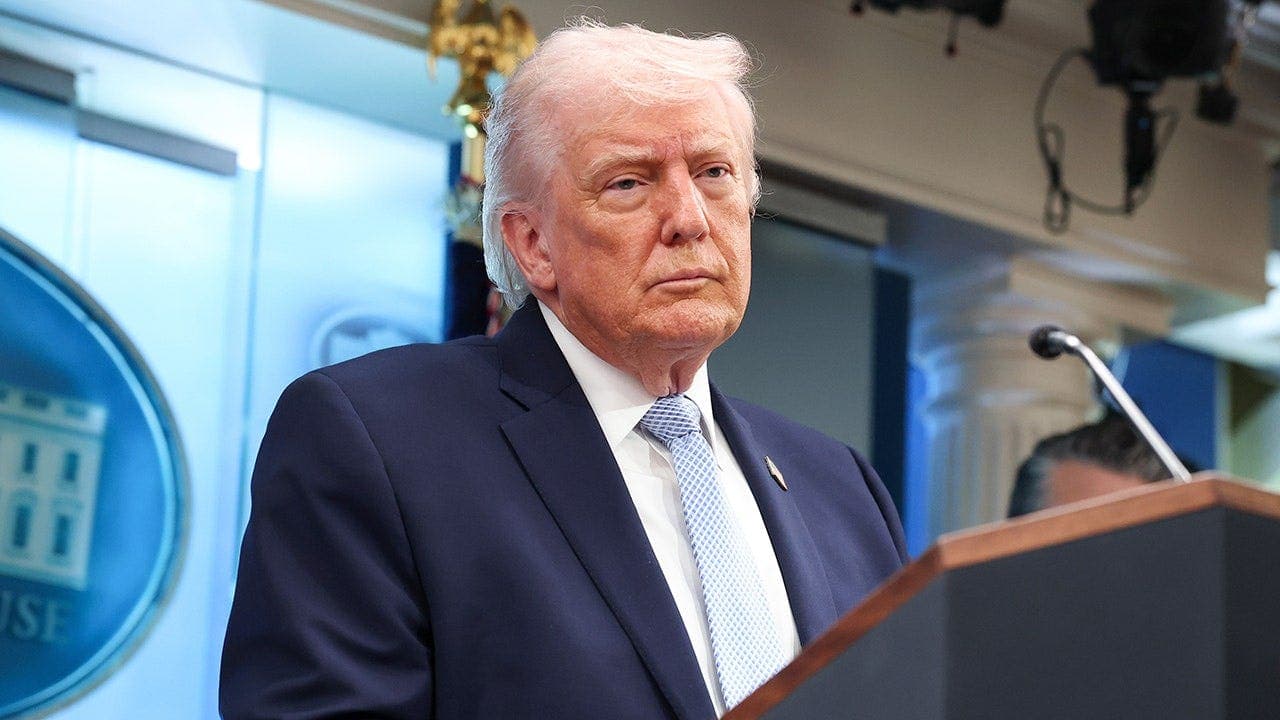
Meanwhile, shipping firms welcomed President Donald Trump's idea of a US naval escort for ships through the strait.
At least eight vessels have been hit in the region since the US-Israel war with Iran began on Saturday.
In the latest incident, Oman's navy said it rescued the crew members of a container ship struck by missiles while transiting the Strait of Hormuz on Wednesday.
The cargo ship was "hit by two missiles" and Oman's royal navy rescued its "crew of 24 people" who are now in good health, the Oman News Agency said.
Senate Republicans block legislation to halt war against Iran
Senate Republicans voted down proposed legislation to halt US military action against Iran, even though a number of them voiced concerns about the lack of a clear exit strategy from the region.
The legislation, known as a war powers resolution, failed on a 47-53 vote tally, in a show of early support for President Donald Trump's decision on Iran.
"This is not a forever war, indeed not even close to it. This is going to end very quickly," Republican Senator Jim Risch, chairman of the Senate Foreign Relations Committee, said in a speech against the resolution.
Senator Rand Paul of Kentucky, who regularly opposes deploying US armed forces in foreign conflicts, was the only Republican to vote to advance the measure. Democratic Senator John Fetterman of Pennsylvania voted against the resolution.
Two key moderate senators, Susan Collins of Maine and Lisa Murkowski of Alaska, voted to block the resolution.
"We cannot tolerate a nuclear-armed Iran. The Iranian regime's pursuit of nuclear capabilities, ballistic missile development, and support for terrorist proxies pose serious and longstanding threats to the national security of the United States and our allies," Collins said in a statement.
Many Democrats contend that Trump unconstitutionally bypassed Congress in the attacks on Iran and say the administration has offered shifting justifications for the war.
"Let me say it this way, there was no presentation of any evidence ... that suggested that the US faced any imminent threat from Iran," Kaine told the AFP news agency after a classified briefing from administration officials.
Republicans hold a majority in the Senate, with 53 seats, compared to Democrats' 47.
Iran postpones funeral for Ayatollah Ali Khamenei over crowd concerns
Iran postponed a funeral for its late leader, Ayatollah Ali Khamenei, who was killed in US and Israeli strikes on Saturday, in "anticipation of unprecedented turnout."
The three-day ceremony had been scheduled to begin at 10 p.m. local time Wednesday at a mosque in Tehran, the state-run Islamic Republic News Agency reported Wednesday morning.
"The farewell ceremony for the martyred Imam has been postponed. The new date will be announced later," Iranian television reported later.
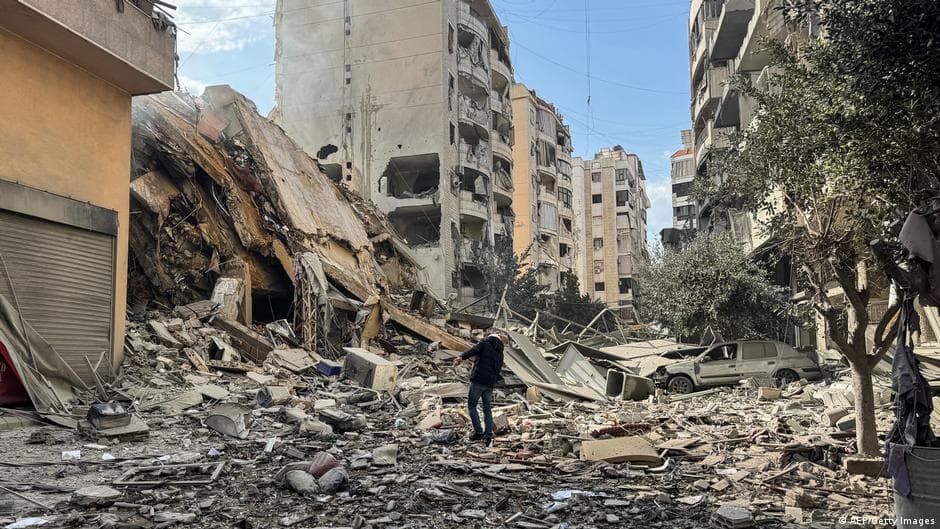
Thousands of strikes have rained down on Iran since Saturday, with missiles targeting military and government infrastructure.
Authorities did not link the security situation on the ground to their decision to postpone a funeral process for the late supreme leader.
Ayatollah Ali Khamenei's son emerges as frontrunner to be new supreme leader: report
Iran's senior clerics responsible for naming a new supreme leader of the country are considering naming the son of late Ayatollah Ali Khamenei, Mojtaba, to the top post, according to The New York Times.
Some expressed reservations because he could emerge as a potential target for the US and Israel, the report said.
Mojtaba, who is 56 years old, has close ties with the powerful Revolutionary Guards that give him added leverage across Iran's political and security apparatus.
He has quietly built up experience and influence behind the scenes and, like his father, opposes calls for reformers seeking engagement with the West.
The clerics, known as the Assembly of Experts, are "close to conclusion," Assembly member Ayatollah Ahmad Khatami told state TV. He said a decision will be announced soon, without naming the candidates.