Trump says US 'continues to totally demolish' Iranian forces as video shows American firepower
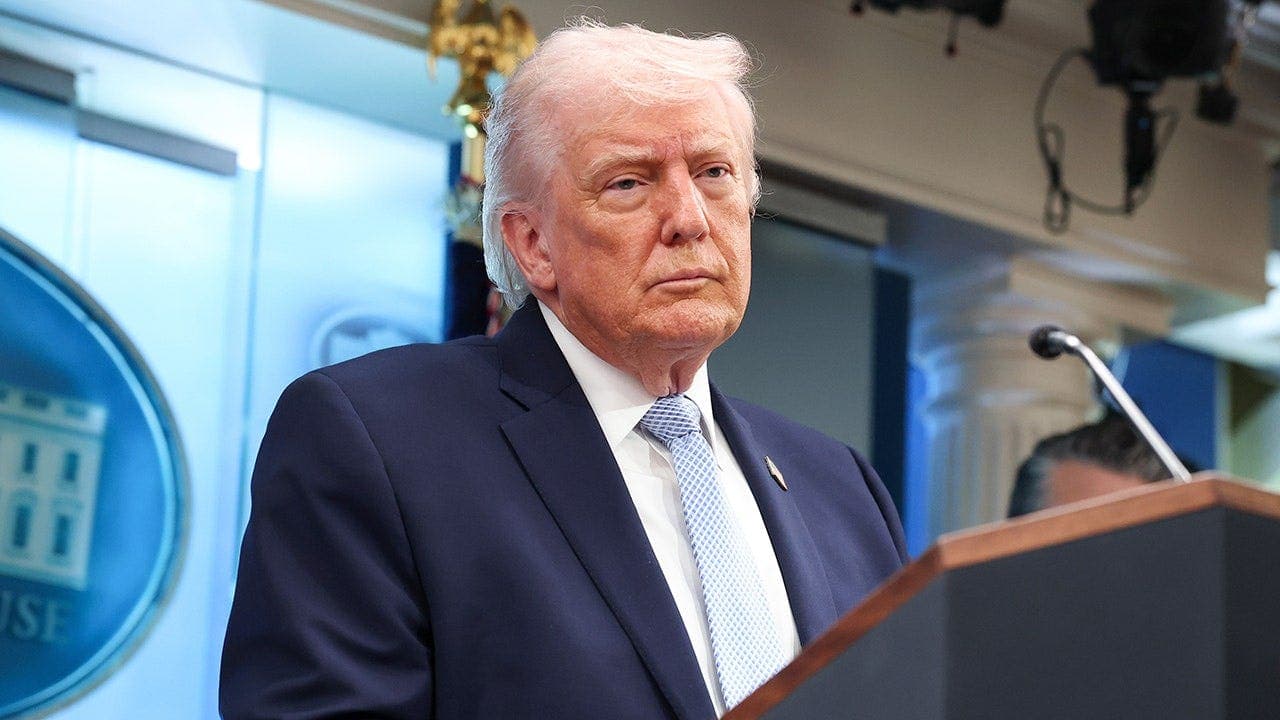
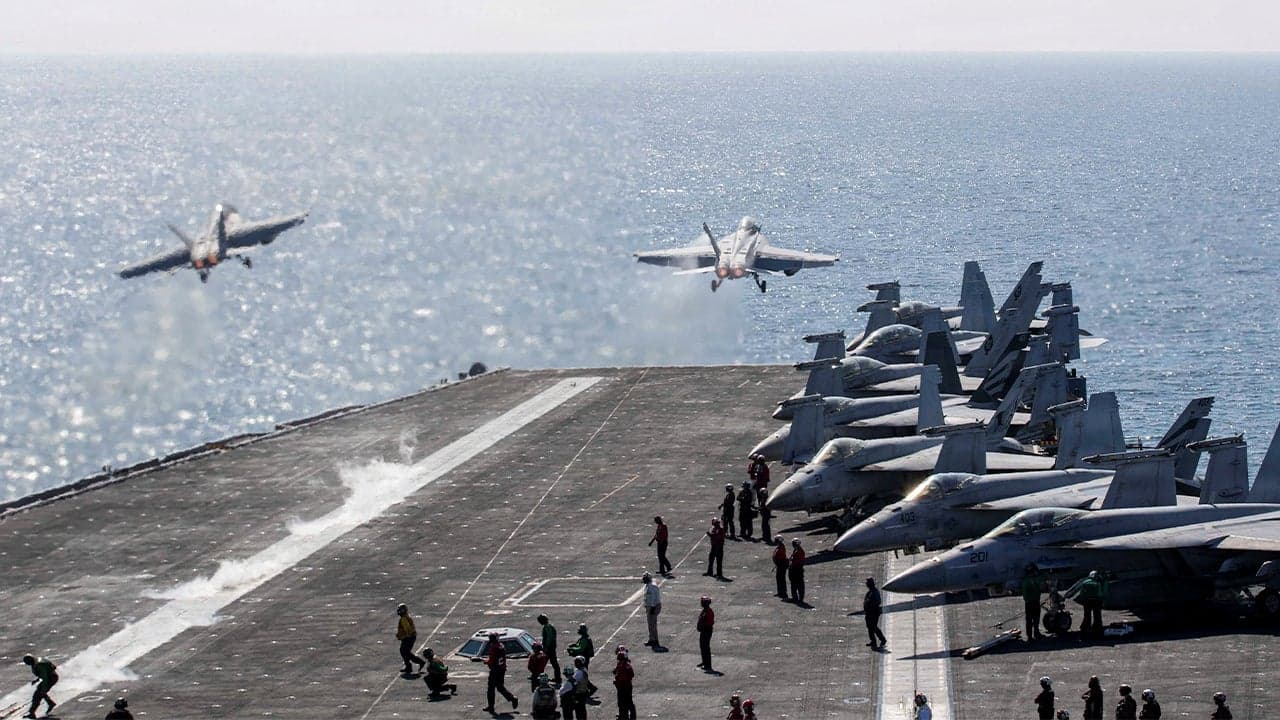
Operation Epic Fury enters a seventh day Friday after President Donald Trump asserted the U.S. "continues to totally demolish" Iranian forces. U.S. Central Command said American forces “aren't holding back on the mission to sink the entire Iranian Navy.”
Coverage for this event has ended.
Get the latest updates on the conflict with Iran
Fox News' coverage of Operation Epic Fury and the situation in the Middle East continues.
India allowing Iranian warship to dock in Kochi after experiencing 'problems'
India is allowing an Iranian naval ship to dock in Kochi after the vessel was "having problems" over the weekend, India's foreign minister confirmed Saturday.
Subrahmanyam Jaishankar said the IRIS Lavan is now docked in southern Kochi city, adding that allowing the Iranian warship to seek refuge there "was the humane thing to do."
This comes after the U.S. sank the IRIS Dena off the coast of Sri Lanka on Wednesday and, in a separate incident, Sri Lanka brought more than 200 sailors on the IRIS Bushehr ashore after the vessel requested assistance.
Jaishankar said both ships had participated in naval exercises with India and were "caught on the wrong side of events" once the war between Iran and the U.S. and Israel began.
The Associated Press contributed to this report.
Iranian president says he is halting attacks on neighboring countries unless Iran is attacked first
Iranian President Masoud Pezeshkian on Saturday apologized to neighboring countries that have been attacked by Iran, adding that future attacks will only take place in response to an attack.
“I should apologize to the neighboring countries that were attacked by Iran, on my own behalf,” he said, according to The Associated Press. “From now on, they should not attack neighboring countries or fire missiles at them, unless we are attacked by those countries. I think we should solve this through diplomacy.”
Pezeshkian made the apology during a prerecorded televised speech on Saturday after Iran launched repeated strikes on Bahrain, Saudi Arabia, the United Arab Emirates, Qatar and Oman.
The decision came after Iran's temporary leadership council talked with the country's armed forces amid alleged miscommunication in the ranks following the deaths of Supreme Leader Ayatollah Ali Khamenei and other leaders.
Pezeshkian also stated during the speech that the United States' demand for an unconditional surrender is a "dream that they should take to their grave."
Huckabee says embassy working ‘24/7’ to evacuate Americans amid Iran war
U.S. Ambassador to Israel Mike Huckabee marked one week of war with Iran on Saturday, saying the embassy is working around the clock to evacuate Americans.
Huckabee said in a lengthy post on X that the U.S. Embassy in Jerusalem is operating on a 24-hour schedule to help Americans return home.
“We have now successfully evacuated thousands of people using every means possible,” he said.
Huckabee strongly pushed back on media reports claiming “nothing was being done” to help Americans.
“Total lie,” he said. “In the early hours and first days of war, the safest decision and what we urged our own embassy personnel to do was stay close to shelter.”
The ambassador praised President Donald Trump’s decision to strike Iran, saying military action was necessary to stop the country from obtaining a nuclear weapon.
“Had the fanatical religious zealots obtained a nuclear warhead … they would have used it on America,” he said.
Huckabee also addressed rumors that he had left Israel.
“The ambassador is the last one to leave. It’s how it works,” he said. “First duty is to American citizens. They are our real bosses.”
OPINION: Here come the big bombs as US escalates strikes on Iran's huge military arsenal
This post is an excerpt from an opinion article by Dr. Rebecca Grant. Grant is vice president of the Lexington Institute.
"Our stockpiles of defensive and offensive weapons allow us to sustain this campaign as long as we need to," Secretary of War Pete Hegseth said at U.S. Central Command headquarters on Thursday.
From a tactical perspective, the scale of the airstrikes unleashed in Operation Epic Fury indicates that the U.S. almost waited too long. Starting the campaign to take out Iran’s ballistic missiles and drones required strikes on almost 2,000 aimpoints in just the first few days. That’s one munition per aimpoint, and there could be thousands more to go.
It was now or never. Iran planned to stockpile missiles and drones and build a handful of nuclear weapons that no military force could reach. "Iranian negotiators said to us directly, with no shame, that they controlled 460 kilograms of 60% and they’re aware that that could make 11 nuclear bombs," U.S. Special Envoy Steve Witkoff said Tuesday.
The terrifying scale of Iran’s target set went unnoticed by most of the world until last Saturday.
Imagine how difficult this job would have been in a few years — especially with Russia and China helping Iran restock.
"This operation needed to happen because Iran, in about a year or a year and a half, would cross the line of immunity, meaning they would have so many short-range missiles, so many drones that no one could do anything about it because they could hold the whole world hostage," Rubio said on Capitol Hill on Monday. "Look at the damage they’re doing now. And this is a weakened Iran … imagine a year from now," he added.
With Iran’s command and control degraded and air defenses flattened, the southern air ingress approaches to the country are wide open. "And now, with complete control of the skies, we will be using 500-pound, 1,000-pound and 2,000-pound GPS--and laser-guided precision gravity bombs, of which we have a nearly unlimited stockpile," Hegseth said at the Pentagon on Wednesday.
Here come the big bombs to take on hundreds of targets. Those targets include factories, weapons storage sites and every IRGC facility U.S. forces can find. And it’s all happening while a 2,000-mile arc of aerial defense continues.
Israel strikes key Iranian military targets in Tehran, IDF says
Israel said Saturday that its air force struck “key Iranian regime military infrastructure” in Iran.
According to the Israeli Defense Forces, more than 80 jets struck targets in Tehran and central Iran.