- Live Updates En español: conflicto en Medio Oriente
- Live Updates Primaries in Texas, North Carolina and Arkansas
Live Updates En español: conflicto en Medio Oriente
Live Updates Primaries in Texas, North Carolina and Arkansas
Watch CNN's live coverage as the war spirals in the Middle East
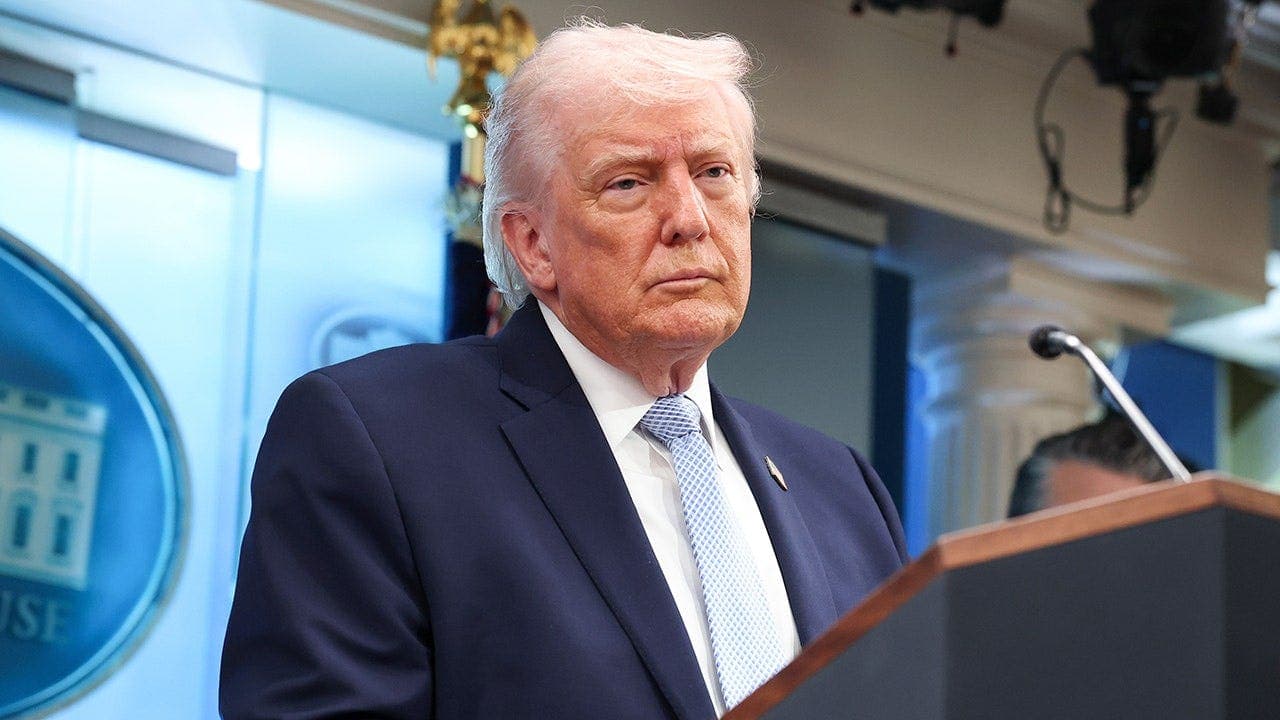
• War with Iran: President Donald Trump told CNN the “big wave” of the US attack on Iran is yet to come. Trump laid out his war objectives for reporters, saying he wanted to destroy Iran’s missile capabilities, annihilate its navy, end its nuclear ambitions and stop it arming militant groups.
• On the ground: Iran and its proxies are continuing to strike US allies in the Gulf, with the US Embassy in Saudi Arabia hit by suspected Iranian drones, booms heard in Iraq and sirens sounding over Bahrain. Israel, meanwhile, is striking Hezbollah targets in Beirut.
• Americans warned: The US State Department urged US citizens to leave the Middle East immediately. Trump told CNN “the biggest surprise” of the war has been Iran’s attacks against Arab countries in the region. Iran’s foreign minister said the “American people deserve better and should take back their country,” mirroring Trump’s repeated remarks to Iranians.
Our live coverage of the war with Iran has moved here.
Israel has issued evacuation orders for dozens more villages in southern Lebanon, adding to a similar list issued on Monday, as it continues strikes against Hezbollah.
Israeli military spokesperson Avichay Adraee listed 50 villages and settlements in a post on X on Tuesday, urging residents to leave their homes.
“Hezbollah activities are forcing the Israel Defense Forces to act against it forcefully, and we have no intention of harming you,” said the IDF announcement.
It ordered affected residents to stay away from their villages by at least 1,000 meters (3,280 feet), warning that anyone near Hezbollah facilities was “endangering their life.”
It also reiterated an evacuation order for Beirut’s southern suburb neighborhood of Haret Hreik, and issued a new warning for a second suburb nearby.
This comes after the IDF posted a similar evacuation order on Monday morning for 52 villages.
Despite a US-brokered ceasefire in November 2024, Israel continues to strike targets in Lebanon, citing alleged Hezbollah violations — claims that the group denies.
Plumes of smoke could be seen rising and explosions heard in the southern suburbs of the Lebanese capital Beirut on Tuesday morning, according to video from Reuters news agency.
The Israeli military earlier issued evacuation orders for dozens of Lebanese villages and settlements and said it had begun attacking Hezbollah targets in Beirut.
Hezbollah said in a statement Tuesday said it launched drones into Israeli territory “in response” to Israel’s bombing in Lebanese towns.
The Israeli Air Force said earlier it intercepted two drones that crossed into Israeli territory from the direction of Lebanon early Tuesday.
The joint US-Israel attack on Iran has triggered retaliatory strikes across the Middle East, including on countries hosting US military bases. Strikes have hit urban centers, energy infrastructure, airports and hotels, shaking populations long used to relative security.
Here’s a look at how many missiles and drones the Gulf nations have reported since the war began:
- Kuwait has intercepted 178 ballistic missiles and 384 drones, according to state media Kuwait News Agency on Monday.
- The United Arab Emirates (UAE) has intercepted 169 missiles out of 182 detected, with the rest landing in the sea. It has also intercepted 645 drones, with an additional 44 hitting within state territory, according to its ministry of defense.
- Bahrain has intercepted 70 missiles and 76 drones, state media reported on Tuesday, citing the General Command of the Bahrain Defence Force.
- Qatar has intercepted 101 missiles out of a total of 104 detected, as well as 24 out of 39 drones, and shot down two Iranian SU-24 bomber aircraft, according to the state-run Qatar News Agency.
- Saudi Arabia hasn’t released a total figure of missiles or drones intercepted. The US Embassy in Riyadh was hit by suspected Iranian drones, according to two sources familiar with the matter on Tuesday. The Ministry of Defense later said eight drones were intercepted near the cities of Riyadh and Al-Kharj.
- Oman has long played a mediating role between Washington and Tehran, and has largely stayed out of the line of fire. But Oman’s Duqm commercial port was targeted by two drones on Sunday, and an oil tanker was attacked about five nautical miles off the coast of Masandam.
Iran’s Golestan Palace, a UNESCO World Heritage Site, has been damaged in the aftermath of a US-Israeli strike, according to semi-official agency Mehr News Agency.
The palace’s famous mirrored throne room, along with its museum artifacts, were previously moved to a secure vault following the January protests and during the 12-day war in June 2025, Mehr News Agency reported.
Golestan Palace first became the seat of power during the Qajar era, when the capital was moved to Tehran and continued that way under the Pahlavi era.
US special envoy Steve Witkoff on Monday described the final, unsuccessful efforts to reach a nuclear agreement with Iran that ultimately collapsed ahead of the United States launching major combat operations over the weekend.
“President Trump sent me and Jared there to really determine on his behalf whether they were serious about doing a deal that addressed his objectives,” Witkoff said, outlining a series of meetings he attended with Jared Kushner, President Donald Trump’s son in law, in Geneva aimed at curbing Tehran’s nuclear program.
According to Witkoff, the US delegation proposed a decadelong halt to uranium enrichment.
“We discussed with them ten years of no enrichment whatsoever, and we would pay for the fuel,” he said. “They rejected that, which told us at that very moment that they had no notion of doing anything other than retaining enrichment to the purpose of weaponizing.”
Witkoff said he and Kushner, who was tasked with brokering a deal with him, believed an agreement was likely unattainable by the end of the second meeting, but returned for a third round as a final effort.
“It was very clear it was going to be impossible, probably by the end of the second meeting, but then we went back to the third meeting just to give it the last college try,” he said. “They wanted us to report positivity,” Witkoff added. “It was not positive that meeting.”
The collapse of the talks led to Trump’s announcement of joint US-Israeli strikes on Iran.
Around the time of the operation, Trump publicly urged Tehran to make concessions. “They should make a deal, but they don’t want to quite go far enough,” he said Friday during a stop in Texas. “They don’t want to say the key words: ‘We’re not going to have a nuclear weapon.’”
Iran and its proxies are continuing to strike US allies in the Gulf Tuesday morning, with the US Embassy in Saudi Arabia hit by suspected Iranian drones, a series of loud booms heard in Iraq’s Erbil and sirens sounding over Bahrain.
Here’s what we’re seeing Tuesday morning:
Saudi Arabia: The US Embassy in Riyadh was hit by two suspected Iranian drones, according to two sources familiar with the matter. The Saudi defense ministry confirmed the attack, saying it had caused “limited fire and minor material damages.” There were no initial reports of injuries, one of the two sources told CNN. The Ministry of Defense later said eight drones were intercepted near the cities of Riyadh and Al-Kharj.
Iraq: In the Kurdistan region of Iraq, a CNN team on the ground in Erbil heard “a series of loud booms coming from that direction… where the Erbil airport is” and military helicopters flying overhead early Tuesday local time. “We are learning that these Iran-backed Iraqi militias are really upping the tempo in terms of the amount of attacks on US targets, or what they deem to be US targets,” chief international correspondent Clarissa Ward told CNN’s Anderson Cooper.
Kuwait: Armed forces were responding to a “wave of missiles and drones” detected in Kuwait airspace, the General Staff of the Army said early Tuesday.
Bahrain: Sirens sounded in Bahrain early Tuesday, the country’s Interior Ministry said.
Israel: Alerts were activated early Tuesday and missiles launched from Iran were detected in several areas of the country, the Israeli military said. And the Israeli Air Force said it intercepted two UAVs that crossed into Israeli territory from the direction of Lebanon early Tuesday.